Last updated: October 24, 2026 · By Brandon Lehman, Managing Partner, West Hive Capital
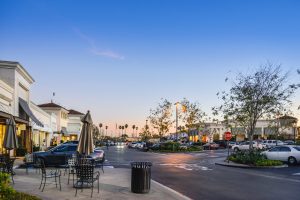
Walk any well located neighborhood strip center in Southern California or metro Phoenix right now and you will see a pattern: construction noise, new signage and a lineup of franchise concepts you did not see five years ago. The brands are different, from med spas to specialty coffee to custom food concepts to fitness operators, but the story is the same. Franchises are expanding aggressively into small bay strip center space, and the space is getting harder to find.
Key Takeaways
- SoCal retail investment sales reached $3.52 billion in H1 2026 — up 62% year over year (NAI Capital).
- CBRE’s 2026 outlook: franchise and regional chain growth favors Sunbelt and select coastal metros; smaller, adaptable footprints are the preferred format.
- Angry Chickz, Roll-Em-Up Taquitos and similar California franchises are expanding eastward into Phoenix as SoCal costs climb.
This is not a coincidence. It reflects a structural shift in how franchise brands are scaling, where they are looking to grow and what kind of real estate they need to do it.
What Do the SoCal Retail Investment Numbers Show for 2026?
NAI Capital reported that retail investment sales across Los Angeles, Orange County, Ventura County and the Inland Empire reached approximately $3.52 billion in the first half of 2026, a nearly 62 percent jump from the same period a year earlier. Regional retail vacancy ran at approximately 5.9 percent across all formats, with the tightest conditions in neighborhood and everyday needs centers. The category driving most of the demand: service oriented, everyday needs and small format retail that generates consistent foot traffic.
That demand is not coming from Amazon’s competitors. It is coming from businesses that require customers to show up in person.
Who is expanding and where
Angry Chickz, the Nashville hot chicken franchise founded in Los Angeles in 2018, has been expanding into metro Phoenix after building most of its footprint in California. Its Avondale restaurant, opened in September 2026, is its fourth in Arizona and 47th nationwide. Roll-Em-Up Taquitos, which opened its first restaurant in Chino Hills in 2019, has used franchise development deals to enter Arizona, with restaurants in Chandler and Gilbert. These are not outlier examples: they represent a broader pattern of brands grown in California using Arizona as their first out of state expansion market because the real estate economics and the demographic fundamentals work. Franchise operators from the food, wellness and service categories are following a similar playbook.
Why strip centers are the landing pad
Franchise operators expanding into new markets are not building ground up. Construction costs and entitlement timelines make that route slow and expensive for a brand in growth mode. They are taking second generation space in established centers: units where a prior tenant already built out the plumbing, electrical and HVAC. The right center, in the right corridor, with parking that works and co-tenancy that drives cross traffic, is what they need.
| Franchise Category | Typical Suite Size | Growth Trend | Why Strip Centers |
|---|---|---|---|
| Specialty Coffee | 800–1,500 SF | Rapid | Drive-by visibility, parking, co-tenancy |
| Med Spa / Aesthetics | 1,200–2,500 SF | Rapid | Service-only, proximity to patient base |
| Quick-Service Restaurant | 1,000–2,500 SF | Steady | Second-gen build-out, existing utilities |
| Fitness / Boutique | 1,500–3,500 SF | Moderate | Accessible parking, neighborhood familiarity |
Sources: CBRE 2026 Retail Outlook, IFA Franchise Economic Outlook 2026, QSR Magazine franchise expansion data.
CBRE’s 2026 retail outlook found that franchise and regional chain growth continues to favor Sunbelt and select coastal metros, and that smaller, more adaptable footprints are the preferred format for brands accessing high demand trade areas while managing capital risk. The centers being passed over are the ones that are not ready: poor parking, deferred maintenance, a tenant mix that does not generate cross traffic or an operator that does not move fast enough on lease negotiations. Quality operators with well maintained properties in dense suburban corridors are seeing demand that gives them real pricing power at lease rollover.
Why Is Arizona Becoming a Top Franchise Expansion Target?
Metro Phoenix occupies an interesting position in the franchise expansion story. Southern California’s high entry costs, entitlement complexity and competitive density have pushed a generation of franchise concepts based in California to look eastward for their first out of state growth. Phoenix has the demographics, the traffic patterns and the strip center inventory that service and food brands grown in California know how to operate in. The adjustment is smaller than jumping to a wholly different market.
The supply picture in Phoenix is more open than in Southern California, which means new construction is possible, but the pace of franchise expansion is outrunning the development pipeline in the best corridors. The same corridors that were underbuilt in the 2010s and 2020s are now the corridors where franchise operators most want to be. Existing strip center owners in those locations have pricing leverage they did not have three years ago.
What Does the Franchise Expansion Wave Mean for Strip Center Investors?
New retail supply is not coming to meet this demand at the scale required. Construction economics for small format neighborhood retail do not work at current land and material costs in most Southern California markets. In metro Phoenix, new supply is moving, but the pace does not match the franchise expansion pipeline in the most active corridors. The implication is continued pressure on vacancy and continued upward movement in achievable rents for well located small bay space in both markets.
For strip center owners in the right positions, the franchise expansion wave is not a headline. It is an operating reality showing up in leasing velocity and in rent levels at rollover. Operators who are positioned in the right corridors with well maintained product are the ones capturing the demand.
West Hive Capital owns and operates neighborhood retail strip centers in Arizona and California. To follow our market notes or connect with us about retail opportunities, visit westhivecapital.com.
Frequently asked questions
Why are franchise brands choosing strip centers over other retail formats?
Strip centers offer second generation space with existing build outs, established parking and co-tenancy that drives cross traffic: exactly what a franchise operator needs when expanding into a new market quickly. Ground up construction is too slow and too expensive for brands in active growth mode. An established strip center in a dense suburban corridor shortens the time to open and reduces capital risk. The format is also well suited to the 1,200 to 3,500 square foot footprints that most service and food franchise concepts prefer.
Why are franchise brands based in California expanding into Arizona?
Southern California’s high occupancy costs, competitive density and entitlement timelines make Arizona an attractive first out of state market for brands with California origins. Metro Phoenix offers demographics and corridor density that brands grown in California recognize, at occupancy costs that are meaningfully lower. The operational playbook translates well. Angry Chickz, Roll-Em-Up Taquitos and a range of wellness and service concepts have followed this pattern, using Arizona as a growth market while SoCal locations stay at or near full occupancy.
How does the franchise expansion wave affect strip center rents and vacancy?
Franchise demand has contributed to tightening vacancy in the small bay segment. With new construction supply constrained and franchise operators competing for the best second generation spaces, landlords in well located centers have real pricing power at lease rollover. The effect is most pronounced in high traffic suburban corridors in Orange County, San Diego, the Inland Empire and the Phoenix metro, where franchise demand is concentrated and new supply is limited.
Sources & Further Reading
About the Author
Managing Partner, West Hive Capital
Brandon brings 20+ years of experience in retail real estate development and operations. He previously led projects with SCG West and oversaw the acquisition, renovation, and exit of Western Plaza in Rancho Palos Verdes. He focuses West Hive Capital on neighborhood strip centers in Southern California and metro Phoenix.