Last updated: October 23, 2026 · By Brandon Lehman, Managing Partner, West Hive Capital
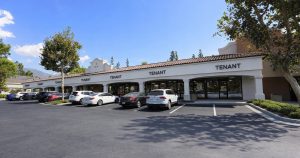
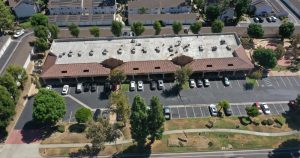
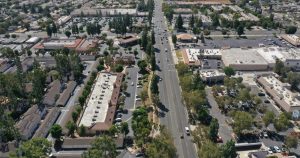
Rent growth in retail real estate tends to get discussed at the format level: grocery anchored is safe, unanchored is risky, power center is challenged. The reality is more interesting than that, and in the current market it is unanchored neighborhood strips that are posting some of the more durable rent performance.
Key Takeaways
- Unanchored strip vacancy: ~4.5% nationally — within range of grocery-anchored, erasing the historical performance gap (Matthews 2025).
- SoCal new retail construction fell ~45% YoY in H1 2026 to 473K SF (NAI Capital) — supply constraints amplify landlord pricing power.
- Short lease terms (3–5 years) allow more frequent rent-to-market resets — a structural advantage over long anchor leases locked at 2019 rents.
The reason is structural, not cyclical.
Why Do Short Leases Create More Frequent Rent Resets?
Grocery anchored centers trade at premium cap rates in part because their anchor leases are long: 10 to 20 years is common. That duration is also a constraint. A grocery anchored center signed at 2019 rents is still collecting 2019 rents in 2026, adjusted only by modest fixed bumps. The anchor that makes the center “safe” is also the anchor locking in below market income for years.
| Lease Metric | Unanchored Strip | Grocery-Anchored |
|---|---|---|
| Typical Lease Term | 3–5 years | 10–20 years (anchor) |
| Rent Reset Frequency | Every 3–5 years | Fixed bumps only |
| National Vacancy (2025) | ~4.5% | ~4.2% |
| SoCal New Construction (H1 2026) | ↓ 45% YoY | ↓ Low |
Sources: Matthews 2025, CBRE 2026 Midyear, NAI Capital H1 2026.
Unanchored neighborhood strips operate on a different clock. Service tenant leases typically run 3 to 5 years: salons, physical therapy offices, insurance agencies and fast casual restaurants that fill small bay space. In a market where asking rents have risen and vacancy has tightened, shorter lease terms mean more frequent opportunities to mark rents to market. Renewals happen at current rates. New leases happen at current rates. The income stream stays current in a way that a long term grocery anchor lease structurally cannot.
This dynamic is most visible at lease rollover. An owner who acquired a well located strip in 2020 or 2021 at rents that seemed fair at the time is now sitting on tenants rolling off leases into a market where asking rents are meaningfully higher. The reset at renewal is where the rent growth shows up in the income statement. For owners who bought correctly and maintained occupancy, those renewals have been running above pro forma.
Limited supply amplifies the effect
New retail construction is at multi decade lows nationally. Rising construction costs and entitlement timelines have made ground up neighborhood retail economically marginal in most markets. The result: demand for quality small bay space keeps rising while the supply base grows slowly. That imbalance is what gives landlords pricing power at lease renewal. Tenants who want to stay in a well located center are paying to stay.
Why Do Service Tenants Pay a Premium for Proximity?
The tenants that fill unanchored strips are not price shopping real estate the way a national retailer might. A physical therapist or an insurance broker is paying for proximity to their patient or client base. Their business depends on being within a short drive of where their customers live. That makes them less likely to move on a rent increase and more willing to absorb modest annual bumps.
Compare this to the typical soft goods or apparel tenant. That tenant can relocate to another center, another market or shift volume to e-commerce. Their leverage at renewal is real. The service tenant’s leverage is much lower because the location is embedded in the business model. A salon that has built a loyal book of clients in a specific neighborhood does not move lightly. That asymmetry is structural and it shows up in renewal rates and in the pricing power landlords hold at rollover.
CBRE’s 2026 retail outlook grouped open air neighborhood strips alongside grocery anchored centers as the two formats best positioned to sustain occupancy and rent growth through the year. That grouping is a notable change from where the conventional wisdom placed unanchored retail five years ago.
What Does the Vacancy Data Show About Unanchored Strip Center Rent Growth?
Matthews Real Estate Investment Services reported in 2025 that unanchored strip centers nationally were tracking vacancy of approximately 4.5 percent, within close range of the grocery anchored segment, which has historically outperformed. That convergence matters. The vacancy gap between “safe anchor” and “risky unanchored” has narrowed significantly since 2020, and with it the pricing gap has begun to narrow too. In Southern California, NAI Capital reported retail vacancy across the region at approximately 5.9 percent in H1 2026, with the tightest conditions in neighborhood and everyday needs centers rather than larger formats.
The supply side reinforces the rent story: national retail construction completions hit a record low of 5.7 million square feet in Q2 2026, per CBRE — the slowest pipeline since records began. Very little new supply is coming, and CoStar reports Q3 2026 retail construction starts hit a record low. With very little inventory in the pipeline, landlords of well-located neighborhood centers hold structural pricing power at every lease rollover.
New retail construction in the same region fell 45 percent year over year to roughly 473,000 square feet in the first half of 2026, per NAI Capital. The development pipeline declined 10 percent over the same period per JLL. Supply is not coming to relieve the pressure on vacancy, which means the conditions that are supporting rent growth at renewal are likely to persist through the near term.
What Does This Rent Growth Trend Mean for Strip Center Investors?
Rent growth at the format level is an average. Individual asset performance still depends on location, tenant quality, parking and operational execution. The centers that are not benefiting from this environment are the ones with deferred maintenance, poor parking ratios or tenant mixes that have not refreshed in a decade. Location and management still determine outcomes.
But the tailwind is real. For well located, well managed unanchored strip centers, the combination of short lease terms, structural tenant demand and constrained new supply is producing rent growth that is showing up in income and in valuations. That is a different story than what most investors expect when they hear “unanchored retail.”
West Hive Capital operates neighborhood retail strip centers in Arizona and California. To follow our market commentary or connect with us about retail opportunities, visit westhivecapital.com.
Frequently asked questions
Why are short leases a rent growth advantage in unanchored strip centers?
When rents are rising and vacancy is tight, short lease terms allow rents to reset to market more frequently. A service tenant on a 3 to 5 year lease rolls off into a renewal negotiation where current asking rents may be materially higher than the expiring rent. Grocery anchor leases running 15 to 20 years lock in the income at signing and rely on fixed annual bumps, which have typically been modest. In a rising rent environment, the owner of the short lease portfolio marks to market more often and captures more of the rent appreciation.
How does unanchored strip center vacancy compare to other retail formats?
Matthews Real Estate Investment Services reported a national average vacancy of approximately 4.5 percent for unanchored strip centers in 2025, roughly in line with grocery anchored centers and well below the multi format retail average. CBRE’s 2026 retail outlook identified open air neighborhood strips as one of the two formats most likely to outperform on occupancy and rent growth through the year. New construction supply is at multi decade lows, which keeps ongoing pressure on vacancy.
What types of tenants drive rent growth in neighborhood strip centers?
Service oriented tenants are the primary driver: salons, physical therapy clinics, med spas, urgent care centers, insurance agencies and fast casual restaurants. These tenants are not threatened by e-commerce and their business model depends on proximity to their customer base, which makes them less likely to relocate on a modest rent increase. Their renewal rates tend to be higher than those of soft goods retailers, and their willingness to absorb annual rent bumps is structurally higher because the cost of moving outweighs the cost of the increase.
Sources & Further Reading
About the Author

Managing Partner, West Hive Capital
Brandon brings 20+ years of experience in retail real estate development and operations. He previously led projects with SCG West and oversaw the acquisition, renovation, and exit of Western Plaza in Rancho Palos Verdes. He focuses West Hive Capital on neighborhood strip centers in Southern California and metro Phoenix.